

Rūpa plane : ค้นหาหนังสือธรรมะ
หน้าหนังสือทั้งหมด
246
Fundamental Concepts in Buddhist Psychology
rasa-saṅchetana (gasticatory volition: see sense volition)
rasa-saṃnā (gasticatory sense registration: see sense registration)
rasa-tanḥa (gasticatory craving: see sense craving)
rasa vicāra (ga
This text elaborates on significant concepts in Buddhist psychology, including gasticatory and visual perceptions such as rasa (taste) and rūpa (form). It addresses terms like gasticatory volition, se

53
บทเรียนที่ 1
…al
will be attracted to live on the Sensual plane; that is kāmabhava. The same
thing happens on the Rūpa plane; the person fascinated by form will live under
the control of the form absorptions (rūpajhāna). On …
…al will be attracted to live on the Sensual plane; that is kāmabhava. The same thing happens on the Rūpa plane; the person fascinated by form will live under the control of the form absorptions (rūpajhāna). On …
98
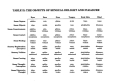
Exploring Sensual Delights and the Six Sense Organs
TABLE II: THE OBJECTS OF SENSUAL DELIGHT AND PLEASURE
| | Eyes | Ears | Nose | Tongue | Body Skin
This table presents an intricate overview of the six sense organs in relation to their corresponding objects, consciousness, contact, feelings, registration, volition, craving, thought conception, and

59
การจำแนกประเภทของ Paramattha
23..
Lesson II
Paramattha is classified into four elements i.e: citta (mind,) cetasika the (mental
concomitants), rupa (form) and nibbāna (enlightenment); only these four
elements are in the Paramatth
Lesson II Paramattha is classified into four elements i.e: citta (mind,) cetasika the (mental concomitants), rupa (form) and nibbāna (enlightenment); only these four elements are in the Paramattha Pit

71
การศึกษาเรื่องสี่ธาตุ
35..
Lesson II
(33) What I have talked about in the limited time available is the [issue
of] the twelve spheres. The rest will be talked some other time, that is:
Ahetukacitta (causelessness), Kamvorā
After that I will talk about the twenty eight (visible objects) Rupa, twenty four Mahabhuta rupa, twenty four Upadhaya rupa then Nibbana. Make your self fully conversant with the four elements. Here a
44
Qualities of a Stream-Attainer in Buddhism
mentioned in the canon.40
The title ‘son of the Blessed one’ suggests that, through the
Buddha, the person was (re)born to the same plane (bhūmi) to which
the Buddha belongs, i.e., passing beyond the
This text delves into the characteristics of a Stream-attainer, identified as a noble disciple who is reborn to a transcendental plane through the Buddha's teachings. Key qualities include association

233
ดัชนี
. . 196 . .
Index
Rūpa spheres, 23
Rūpabrahma body, 15, 70, 120, 133, 140, 144
Rūpabrahmakāya, 41, 42, 46, 47, 50, 69, 98, 99
Rūpajhāna, 70
Rūparāga, 50, 79
Rūpavacaracitta, 23, 24
S
Sabbabuddhanubhāv
Index Rūpa spheres, 23 Rūpabrahma body, 15, 70, 120, 133, 140, 144 Rūpabrahmakāya, 41, 42, 46, 47, 50, 69, 98, 99 Rūpajhāna, 70 Rūparāga, 50, 79 Rūpavacaracitta, 23, 24 S Sabbabuddhanubhāvena, 53 sabb
40
หลักการและแนวทางในการบรรลุถึงนิพพาน
ภูมิ plane; plane of existence; plane of consciousness
โภคะ wealth; riches; possession
ม mungala blessing; prosperity;
auspiciousness;
good omen; anything that is conducive to success
มนต์, ม
ในบทความนี้เราจะได้เรียนรู้เกี่ยวกับแนวทางการดำเนินชีวิตเพื่อบรรลุถึงนิพพานผ่านมรรคมืองค ๘ ซึ่งเป็นหลักสำคัญในพระพุทธศาสนา ประกอบด้วยการมีมุมมองที่ถูกต้อง การตั้งใจที่ดี การใช้คำพูดที่เหมาะสม การกระทำ
188
Understanding the Dhammacakka Pavattana Sutta
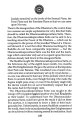
[vāddha-saṃsāra] on the levels of the Sensual Plane, the Form Plane and the Formless Plane so that we can enter upon Nirvana.
Thus in the inauguration of the Dhamma to the world, these two reasons are
The Dhammacakka pavattana Sutta marks the inaugural teaching of the Buddha, delivered at Isipatana Deer Park two months post-enlightenment. This Sutta introduces foundational concepts in Dhamma, empha

81
การอยู่ร่วมกันในสังคม
45
Lesson III
novices, upāsaka, and upāsikā do. This action is called "sutta" (learning).
"Jaka" is when one has done something that has unintentionally disrupted the
other. Then one should be careful
forgiving and generous with one another. "Pañña" is the wisdom to know right from wrong, and what is decent from what is indecent. One who is an adult, or superior, should be considerate to the young
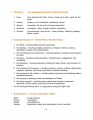
81
Understanding the Five Aggregates, Tenfold Path of Wholesomeness, and Four Lofty States of Mind
Khandha 5 Five Aggregates (elements, attributes of being)
1. Rupa form, physical self, body. Rupa is made up of earth, water, air, fire (heat)
2. Vedana feeling, is one of pleasant, unpleasant, ne
This text delves into three significant aspects of Buddhist philosophy: the Five Aggregates which consist of Rupa (form), Vedana (feeling), Samjna (perception), Sankhara (conception), and Vinnana (con
101
Understanding Sensory Craving and Attachment
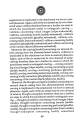
registration is implicated in the attachment we have to sensual pleasures. Again, each of the six senses has its own channel of sense-volition therefore there are a further six areas in which the prac
This text delves into the role of sensory experiences in fostering attachment to sensual pleasures, with a focus on the six senses: visual, auditory, olfactory, gustatory, tactile, and mental. Each se
243
Buddhist Terminology and Concepts
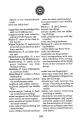
Speech at the transcendental level) see sense consciousness) manussasampatti (see worldly wealth) Mara q.v. (P. devil, demon) maggañāṇa (see knowledge of the path out of defilements) maraṇa (see dying
This text delves into essential Buddhist terms and their meanings. It covers concepts such as Mara (the demon), Mettā (loving-kindness), and the significance of terms like 'maraṇa' (dying) and 'mutti'
46
Buddhism and the Concept of Nirvāṇa
**43** This is, perhaps, as Eliade observes, ‘for the Buddha, one can be ‘saved’ only by attaining nirvāṇa - that is, by going beyond the plane of profane human experience and re-establishing the plan
Eliade suggests that for the Buddha, salvation comes through attaining nirvāṇa, transcending the mundane aspects of human life and entering an unconditioned state. This transformation entails a metaph
79
Understanding Dhammakāya: A Noble Identity
As a noun, the term refers to the new identity of a noble person once he/she is transubstantiated either from the worldly plane to a supramundane plane or from a lower transcendent state to a higher.
The term Dhammakāya refers to the new identity of a noble person following transubstantiation, highlighting different levels of realization. It embodies the reality spiritually identified with the Bud
60
The Disciples of Non-Buddhist Teachers
58 Clear-minded Youths - 6 The Story of the Disciples of Non-Buddhist Teachers
Verse 12: Beings who imagine wrong in what is not wrong, who do not see wrong in what is wrong, and who hold wrong views
This text discusses the concepts of right and wrong perceptions in the context of Buddhist philosophy. It emphasizes that beings who misunderstand correct views face negative consequences after death,
187
Transportation of Communities in Buddhist Scriptures
to transport the community from one continent to another or even one world to another. In the time of the Buddha, the scriptures report that people and the Universal Monarch were transported from anot
This text discusses the transportation of the community during the time of Buddha, where beings from Uttarakururūpa were brought to Jambudīpa via the Jewelled Wheel of the Universal Monarch. After the

150
การหลุดพ้นจากความสุขที่น้อยกว่า
... 114 ...
Lesson VI
olfactory taste and contact make one obsessed with the cycle of existence and
make it impossible to escape from the three planes or from the sensual plane.
(10.4) If one cannot d
Lesson VI olfactory taste and contact make one obsessed with the cycle of existence and make it impossible to escape from the three planes or from the sensual plane. (10.4) If one cannot dispose of th

222
ดัชนี
. . 187 ..
Index
500 women, 172
A
abbot, 141
Abhidhamma pitaka, 34, 36
abhijjhā, 14, 16
Abhijjha, 15, 68
Abhivadanasīlissa, 171, 173
Adaliddo, 137
Adhicita sphere, 133
Adhisīla, 133
Adhitthana, 112
ag
Index 500 women, 172 A abbot, 141 Abhidhamma pitaka, 34, 36 abhijjhā, 14, 16 Abhijjha, 15, 68 Abhivadanasīlissa, 171, 173 Adaliddo, 137 Adhicita sphere, 133 Adhisīla, 133 Adhitthana, 112 aggregate (kh
51
Relinquish All Else: The Path to Dhamma
53. RELINQUISH ALL ELSE
Merely meditating and reciting the mantra "samma arahang" will create merit. It is not easy to attain Dhammanetya when the mind wants to dart here and there around the entire
The text emphasizes the significance of meditating and reciting the mantra 'samma arahang' to create merit. To attain Dhammanetya, one must bring the mind back to focus, specifically above the navel,